does hyperglycemia cause tachycardia Sugar hyperglycemia glucose ketoacidosis levels cause insulin complication howtorelief circadian dampens chlorella
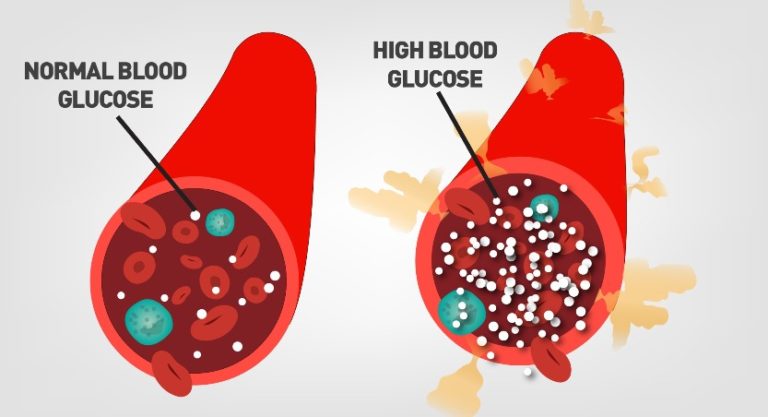
As we all know, high blood sugar or hyperglycemia is a very common health problem, especially among those who have diabetes. If left untreated, it can lead to various health complications, such as nerve damage, kidney damage, and even heart disease. In this article, we will discuss the causes, symptoms, treatment, and complications of hyperglycemia. Causes: Hyperglycemia occurs when the body cannot produce enough insulin or cannot use insulin effectively. Insulin is a hormone that helps move sugar from the blood into the cells of the body to be used for energy. When there is insufficient insulin, the sugar builds up in the bloodstream, leading to high blood sugar levels. Symptoms: The most common symptoms of hyperglycemia include frequent urination, increased thirst, blurred vision, fatigue, and slow-healing wounds. In severe cases, hyperglycemia can lead to diabetic ketoacidosis, a condition that can cause abdominal pain, nausea, vomiting, and even loss of consciousness. Treatment: The treatment of hyperglycemia depends on the severity of the symptoms. Mild cases can be managed with lifestyle changes, such as a healthy diet, exercise, and monitoring blood sugar levels. In more severe cases, medication may be required to regulate blood sugar levels. Insulin injections or oral medications, such as metformin, are often prescribed to help lower blood sugar levels. Complications: If left untreated, hyperglycemia can lead to various health complications. One of the most common complications is nerve damage, which can lead to tingling, numbness, or even loss of sensation in the extremities. This may lead to foot ulcers and, in severe cases, amputation. Hyperglycemia can also lead to kidney damage, which can eventually lead to kidney failure. Additionally, high blood sugar levels can increase the risk of heart disease and stroke. In conclusion, hyperglycemia is a serious health condition that requires prompt medical attention. If you experience any of the above symptoms, it is important to consult with your healthcare provider. By managing your blood sugar levels with a healthy lifestyle and medication, you can prevent the complications associated with hyperglycemia. So, take care of your health and keep your blood sugar levels under control.
If you are searching about Hyperglycemia: Causes, Symptoms, Treatment & Complication » How To Relief you’ve visit to the right web. We have 5 Pics about Hyperglycemia: Causes, Symptoms, Treatment & Complication » How To Relief like Pathophysiologic mechanisms underlying 1-hour postload hyperglycemia, What Is Hyperglycemia? - Health n Well.com and also Tutor’s Notes: general, cardiovascular, respiratory and renal. Read more:
Hyperglycemia: Causes, Symptoms, Treatment & Complication » How To Relief
 www.howtorelief.comsugar hyperglycemia glucose ketoacidosis levels cause insulin complication howtorelief circadian dampens chlorella
What Is Hyperglycemia? - Health N Well.com
 healthnwell.comhyperglycemia healthnwell
Pathophysiologic Mechanisms Underlying 1-hour Postload Hyperglycemia
 www.researchgate.nethyperglycemia mechanisms underlying pathophysiologic
Hyperglycemia- Symptoms And Treatment - Diabetes Suport
 howtoavoidgettingdiabetes.blogspot.comhyperglycemia treatment symptoms diabetes
Tutor’s Notes: General, Cardiovascular, Respiratory And Renal
 cvpulmrenal.blogspot.comtachycardia hypokalemia why does phase causes renal physiology pathophysiology tutor cardiovascular respiratory notes general
Hyperglycemia: causes, symptoms, treatment & complication » how to relief. Tutor’s notes: general, cardiovascular, respiratory and renal. Hyperglycemia healthnwell