can pcos cause fatty liver Fatty liver disease: symptoms, causes, risks, and treatment
PCOS and Fatty Liver Disease: Understanding the Link Polycystic ovary syndrome (PCOS) is a common hormonal disorder that affects millions of women worldwide. While it is primarily associated with irregular menstrual cycles, weight gain, and difficulty conceiving, recent studies suggest that PCOS may also increase the risk of certain liver problems, including fatty liver disease. Fatty liver disease is a condition that occurs when excess fat accumulates in the liver, often due to factors such as obesity, type 2 diabetes, or excessive alcohol consumption. Over time, this can lead to inflammation and liver damage, which can have serious health consequences. So, what is the link between PCOS and fatty liver disease? While the exact mechanism is not yet fully understood, there are several theories. One is that insulin resistance, a common symptom of PCOS, may play a role. Insulin resistance occurs when the body’s cells become less sensitive to insulin, a hormone that helps regulate blood sugar levels. As a result, the body produces more insulin than it needs, which can lead to excess fat accumulation in the liver. Another theory is that hormonal imbalances in PCOS, such as elevated levels of androgens (male hormones), may also contribute to fatty liver disease. Androgens have been shown to promote fat accumulation in the liver, as well as inflammation and oxidative stress, which can damage liver cells. Regardless of the exact mechanism, it is clear that PCOS and fatty liver disease are closely linked. Studies have shown that women with PCOS are at a higher risk of developing nonalcoholic fatty liver disease (NAFLD), the most common form of the condition. One study found that up to 56% of women with PCOS may have NAFLD, compared to just 20% of women without PCOS. So, what can women with PCOS do to lower their risk of fatty liver disease? The most important step is to maintain a healthy weight through a balanced diet and regular exercise. Research has shown that weight loss can improve insulin sensitivity and reduce liver fat in women with PCOS. In addition, certain dietary changes may be beneficial, such as reducing intake of saturated and trans fats, and increasing intake of fiber-rich foods. For women who already have fatty liver disease, treatment may depend on the severity of the condition. In mild cases, lifestyle modifications such as weight loss and dietary changes may be enough to reverse liver fat accumulation and prevent further damage. In more advanced cases, medications such as vitamin E or pioglitazone may be prescribed to reduce liver inflammation and improve insulin sensitivity. In conclusion, while PCOS and fatty liver disease are both complex conditions with multiple contributing factors, it is clear that there is a significant overlap between the two. Women with PCOS should be aware of their increased risk of fatty liver disease and take steps to address modifiable risk factors through lifestyle modifications and medical treatment if necessary. By doing so, they can protect their liver health and reduce their risk of long-term health consequences.
Can PCOS Cause Liver Problems?
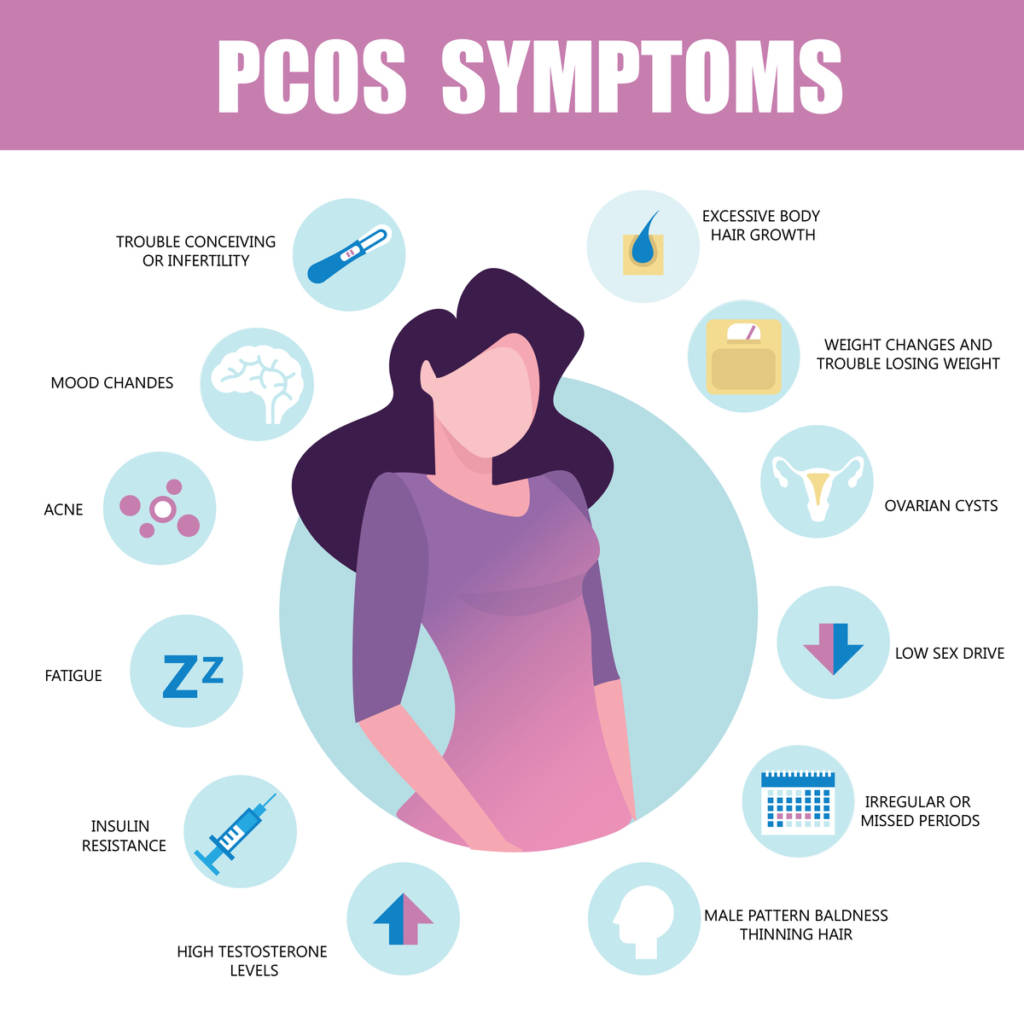
Polycystic ovary syndrome (PCOS) is a hormonal disorder affecting millions of women worldwide. Though primarily recognized with irregular menstrual cycles, weight gain, and difficulty conceiving, recent studies suggest that PCOS may increase the likelihood of developing certain liver problems, including fatty liver disease.
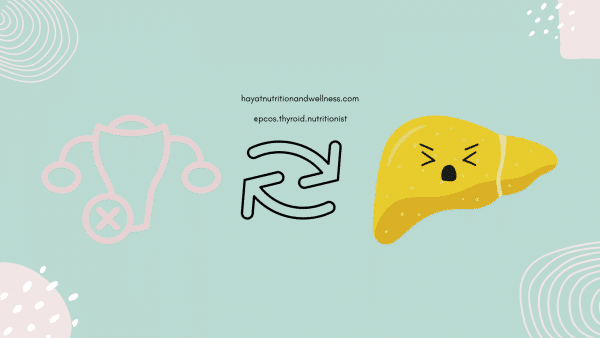 Fatty liver disease occurs when excess fat accumulates in the liver, often due to factors such as obesity, type 2 diabetes, or excessive alcohol consumption; this can lead to inflammation and liver damage, which can have serious health consequences.
Understanding the Link between PCOS and Fatty Liver Disease
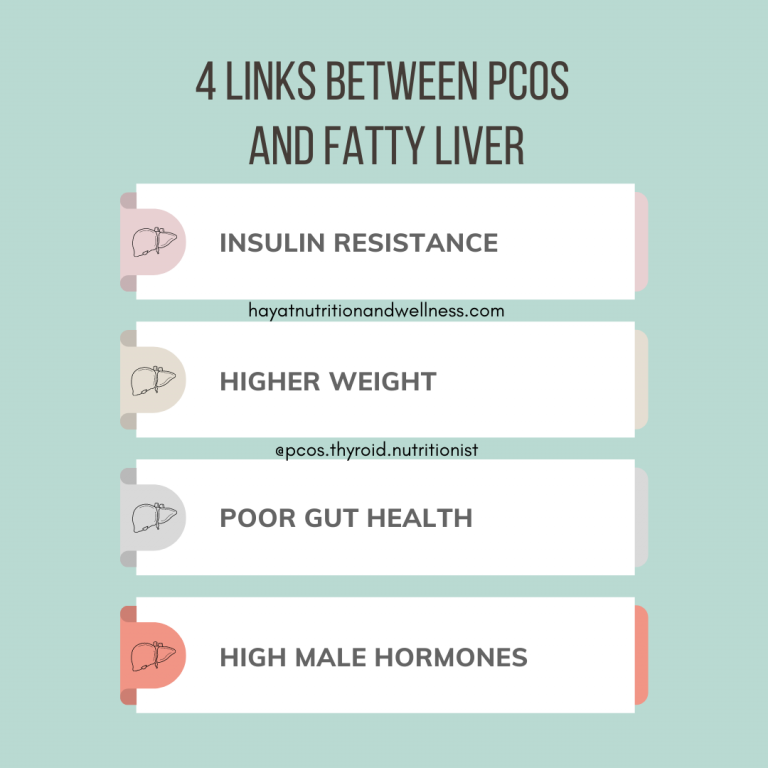
Insulin resistance, which is a common symptom of PCOS, is thought to be one of the reasons behind the link between the two conditions. Insulin resistance occurs when the body’s cells become less sensitive to insulin, a hormone that helps regulate blood sugar levels; as a result, the body produces more insulin than it needs, which can lead to excess fat accumulation in the liver and other organs.
 Another theory is that hormonal imbalances in PCOS, such as elevated levels of androgens, may also contribute to fatty liver disease. Androgens have been shown to promote fat accumulation in the liver, as well as inflammation and oxidative stress, which can damage liver cells.
What Can Women with PCOS Do to Lower Their Risk of Fatty Liver Disease?
Women with PCOS can reduce their risk of fatty liver disease by maintaining a healthy weight through a balanced diet and regular exercise. Losing weight can help improve insulin sensitivity and reduce liver fat accumulation in women with PCOS. Certain dietary changes, such as reducing saturated and trans fats and increasing fiber intake, may also be beneficial.
Treatment for Fatty Liver Disease
In mild cases, lifestyle modifications such as weight loss and dietary changes may be enough to reverse liver fat accumulation and prevent further damage. In more advanced cases, medications such as vitamin E or pioglitazone may be prescribed to reduce liver inflammation and improve insulin sensitivity.
While both PCOS and fatty liver disease are complex conditions with multiple contributing factors, women with PCOS should be aware of their increased risk of fatty liver disease and take steps to address modifiable risk factors through lifestyle modifications and medical treatment if necessary. By doing so, they can protect their liver health and reduce their risk of long-term health consequences.
If you are searching about Can PCOS Cause Liver Problems? | Hayat Nutrition you’ve came to the right page. We have 5 Pictures about Can PCOS Cause Liver Problems? | Hayat Nutrition like Can PCOS Cause Liver Problems? – Hayat Nutrition, Polycystic Ovary Syndrome (PCOS) - Nutritional Therapist, Tavistock and also Can PCOS Cause Liver Problems? – Hayat Nutrition. Read more:
Can PCOS Cause Liver Problems? | Hayat Nutrition
hayatnutritionandwellness.comCan PCOS Cause Liver Problems? – Hayat Nutrition
 hayatnutritionandwellness.comPolycystic Ovary Syndrome (PCOS) - Nutritional Therapist, Tavistock
 www.fionawaring.compcos symptoms ovary polycystic sintomas ovarian ovarios sindrome acne femcare fertility notícias diagnosed outras
Fatty Liver; Causes, Symptoms, Diagnosis, Treatment - Rxharun
 rxharun.comliver fatty nafld alcoholic causes kwenye diagnosis mafuta tatizo rxharun nonalcoholic glance gastroenterology hepatic
Fatty Liver Disease: Symptoms, Causes, Risks, And Treatment
www.medicalnewstoday.comliver fatty diketahui berlemak penyakit yang reversal
Liver fatty nafld alcoholic causes kwenye diagnosis mafuta tatizo rxharun nonalcoholic glance gastroenterology hepatic. Liver fatty diketahui berlemak penyakit yang reversal. Pcos symptoms ovary polycystic sintomas ovarian ovarios sindrome acne femcare fertility notícias diagnosed outras