can diabetics use artificial sweeteners Diabetes artificial sweeteners use if
As we continue to live longer and become more health-conscious, it’s only natural that we are looking for more and more ways to cut back on sugar. Artificial sweeteners seem like the perfect solution - no calories, no sugar, but all the sweetness we’re craving. But are artificial sweeteners really the answer to our sugar troubles? Recent studies suggest that these sweeteners may actually be doing more harm than good. In fact, they might even be increasing your risk of developing diabetes. That’s right - the very thing we’re using to reduce our sugar intake could be causing more problems than we realize. Why is this the case? Let’s take a closer look at how artificial sweeteners affect our bodies. When we consume sugar, our bodies respond by producing insulin to help regulate our blood sugar levels. However, artificial sweeteners don’t trigger the same response. This means that our bodies may become less efficient at producing insulin over time, which can lead to insulin resistance and ultimately, type 2 diabetes. Of course, not all artificial sweeteners are created equal. Some have been shown to be safer than others. For example, stevia is a naturally-derived sweetener that has been shown to have no harmful effects on insulin production. However, other sweeteners like aspartame and saccharin have been linked to a higher risk of diabetes and other health problems. So what should we do if we’re looking to cut back on sugar? The answer is simple - moderation. Rather than relying on artificial sweeteners to satisfy our cravings, we should focus on reducing our sugar intake in a more natural way. This might mean cutting back on sugary snacks and drinks, or incorporating healthier alternatives like fruits and vegetables into our diets. It’s also important to remember that not all sugar is bad. Our bodies need a certain amount of sugar to function properly, and there are plenty of natural sources of sugar that can help us satisfy our sweet tooth without resorting to artificial sweeteners. Some examples include honey, maple syrup, and agave nectar. In conclusion, while it might be tempting to turn to artificial sweeteners as a quick fix for our sugar cravings, it’s important to be aware of the potential risks involved. Instead, we should aim to reduce our sugar intake in a more natural way and focus on incorporating healthier foods into our diets. With a little bit of effort and some moderation, we can enjoy the sweet things in life without sacrificing our health in the process.
If you are looking for Artificial sweeteners seen boosting diabetes risk | The Japan Times you’ve visit to the right place. We have 5 Pictures about Artificial sweeteners seen boosting diabetes risk | The Japan Times like Diabetes Natural Therapies: Artificial Sweeteners for Diabetics, Artificial sweeteners: sugar-free, but at what cost? - Harvard Health and also Artificial sweeteners seen boosting diabetes risk | The Japan Times. Here it is:
Artificial Sweeteners Seen Boosting Diabetes Risk | The Japan Times
 japantimes.co.jpartificial sweeteners diabetes sugar risk sweetener boosting seen la aspartame low quimica saccharin health suggested foods
Diabetes Natural Therapies: Artificial Sweeteners For Diabetics
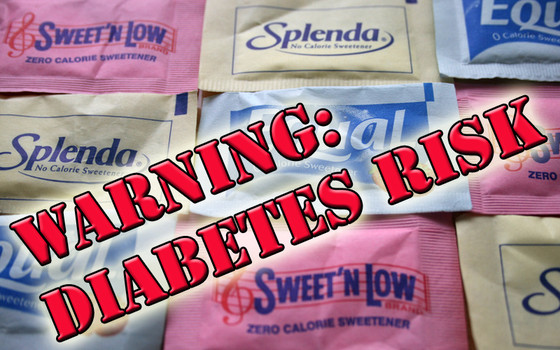 diabetesnaturaltherapies.blogspot.comdiabetics sweeteners diabetes therapies
The Dangers Of Artificial Sweeteners For Diabetics - T1D Living
 www.t1dliving.comdangers sweeteners diabetics diabetes
Can I Use Artificial Sweeteners If I Have Diabetes? - Tipsbook
 www.tipsbook.netdiabetes artificial sweeteners use if
Artificial Sweeteners: Sugar-free, But At What Cost? - Harvard Health
 www.health.harvard.edusweeteners sweetener harvard edulcorantes fasting calorie packet sweeter rethink insulin aspartame necesitas substitute
Artificial sweeteners seen boosting diabetes risk. Diabetes natural therapies: artificial sweeteners for diabetics. Sweeteners sweetener harvard edulcorantes fasting calorie packet sweeter rethink insulin aspartame necesitas substitute